14-17 April 2027
Jakarta International Expo
Indonesia
Indonesia’s Textile Industry Remains Strategic as Government Pushes Competitiveness and Investment
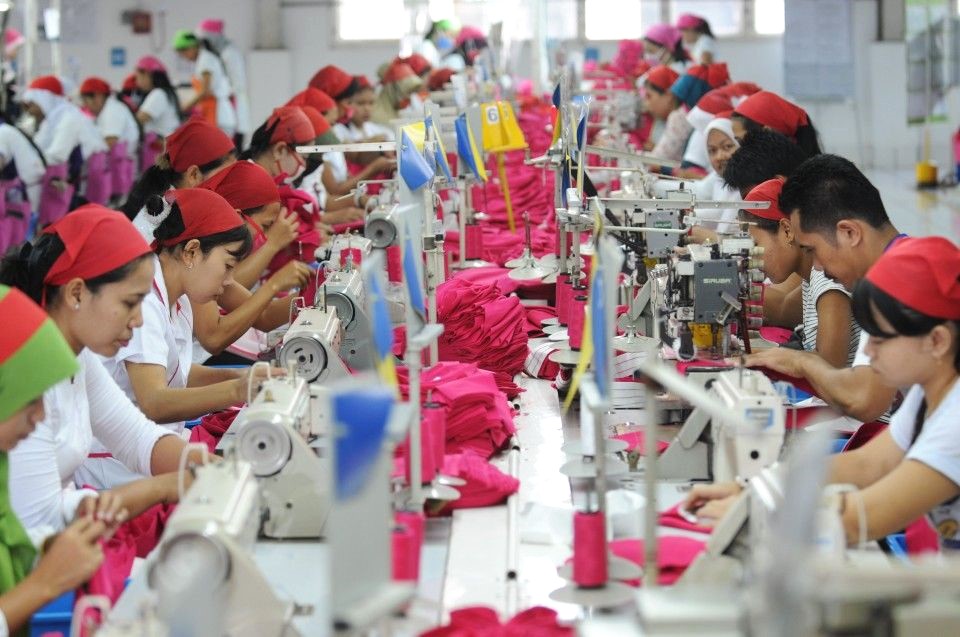
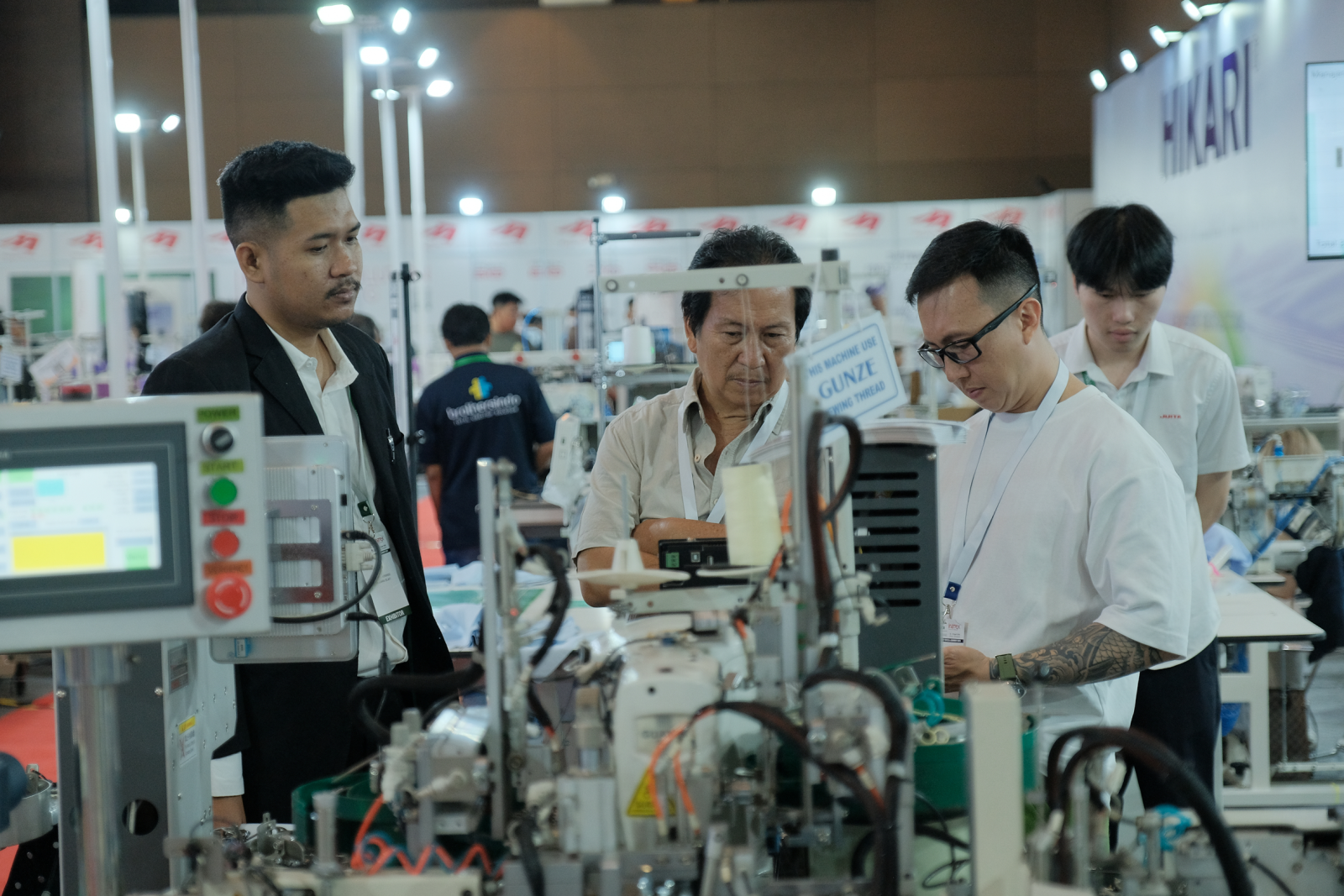

Indonesia’s textile and textile products (TPT) industry remains a strategic sector for the national economy, supporting economic growth, employment and export performance. With an integrated value chain spanning upstream, intermediate and downstream activities, strengthening the sector remains a key priority as Indonesia responds to evolving global trade dynamics.
Speaking after a limited meeting chaired by President Prabowo Subianto with members of the Red and White Cabinet in Jakarta on Tuesday (22 September), Coordinating Minister for Economic Affairs Airlangga Hartarto highlighted the sector’s significant contribution to the
economy.
“The textile and textile products industry consists of upstream, intermediate and downstream sectors. Its contribution to GDP is close to 1%, at around 0.97%. The industry employs around 4 million people, while exports are worth approximately USD 12 billion. This makes it one of the
strategic labor-intensive sectors,” said Airlangga.
Room for Expansion as Capacity Utilization Remains at 75%. According to Airlangga, Indonesia’s TPT industry continues to show positive performance and still has room for further development. Textile factory utilization currently stands at around 75%, indicating potential for expansion and additional investment across the industry. Strengthening competitiveness, however, requires a comprehensive approach across the entire value chain. One of the areas being considered is tariff harmonization, given the stronginterconnection between upstream, intermediate and downstream activities within the TPT industry.
Different Trade Dynamics Across the Textile Value Chain. Indonesia’s trade performance also varies across different segments of the industry.
In the textile sector, particularly raw materials, Indonesia remains a net importer, with imports valued at approximately USD 8.4 billion compared with exports of around USD 3.1 billion. The downstream garment sector presents a different picture. Garment exports reached approximately USD 8.7 billion, while imports stood at around USD 690 million, placing Indonesia in a net exporter position in this segment.
These figures highlight the different challenges and opportunities across Indonesia’s textile value chain, from raw materials and intermediate products to finished garments.Government Reviews Policies to Support Raw Materials and Domestic Production To maintain momentum in the sector, the government is also focusing on improving access to raw materials and reviewing policies that could affect the continuity of industrial supply. Airlangga said President Prabowo had called for a review of regulations, including technical considerations known as Pertek, to better support industrial needs.
“First, it is about facilitating the entry of raw materials. The President has asked us to review the regulations related to Pertek and others. Second, particularly for the downstream sector, namely garments, there are disruptions caused by imports sold by weight and ball press imports. The Director General of Customs and Excise has also been instructed to take immediate action, as these imports are significantly affecting domestic garment producers,” Airlangga said.
The government is also looking at measures to facilitate access to raw materials, including leather-based materials. According to Airlangga, greater ease in certification related to halal requirements is needed to support the development of Indonesia’s textile and footwear
industries. Textile Industry Still Open to Investment and Reinvestment Beyond regulatory and supply-chain measures, the government sees continued opportunities for investment and capacity expansion in Indonesia’s TPT industry. Airlangga emphasized that the textile industry should not be viewed as a sunset industry, reinforcing the potential for reinvestment and additional working capital to support future growth.
“The President also stated that the textile industry is not categorized as a sunset industry. Therefore, there is still room to encourage reinvestment and additional working capital,” Airlangga said.
The government’s focus on strengthening the TPT industry reflects the sector’s continued importance to Indonesia’s economy. Efforts to improve competitiveness, strengthen integration across the value chain and create a more supportive investment environment are expected to help sustain the industry while expanding its contribution to exports, employment and economic
growth.
The press briefing was also attended by Minister of Investment and Downstreaming/Head of BKPM and Danantara CEO Rosan Roeslani, as well as Head of the Agency for the Regulation of State-Owned Enterprises (BP BUMN) and Danantara Chief Operating Officer (COO) Dony
Oskaria.
Source: Coordinating Ministry for Economic Affairs of the Republic of Indonesia
22 September 2026
Indonesia’s Textile Industry Remains Strategic as Government Pushes Competitiveness and Investment
Read More...The Organizer
Peraga Expo is one of the leading International Exhibition Organizer in Indonesia, founded in 1986. Over the years, Peraga Expo has generated an impressive track record of international events with specific focus in textile and garment exhibition.
Contact
Springhill Office Tower
12th floor – GH
Jl.Benyamin Sueb Blok D6
Kemayoran – Jakarta 14410
Phone: 021 – 22604789 (hunting)
Email: info@peragaexpo.com
Whatsapp: 0878 3200 4719
Opening Days And Time
- Wednesday – Friday
- 14 – 16 April 2027
- 10.00 – 18.00
- Saturday
- 17 April 2027
- 10.00 – 17.00